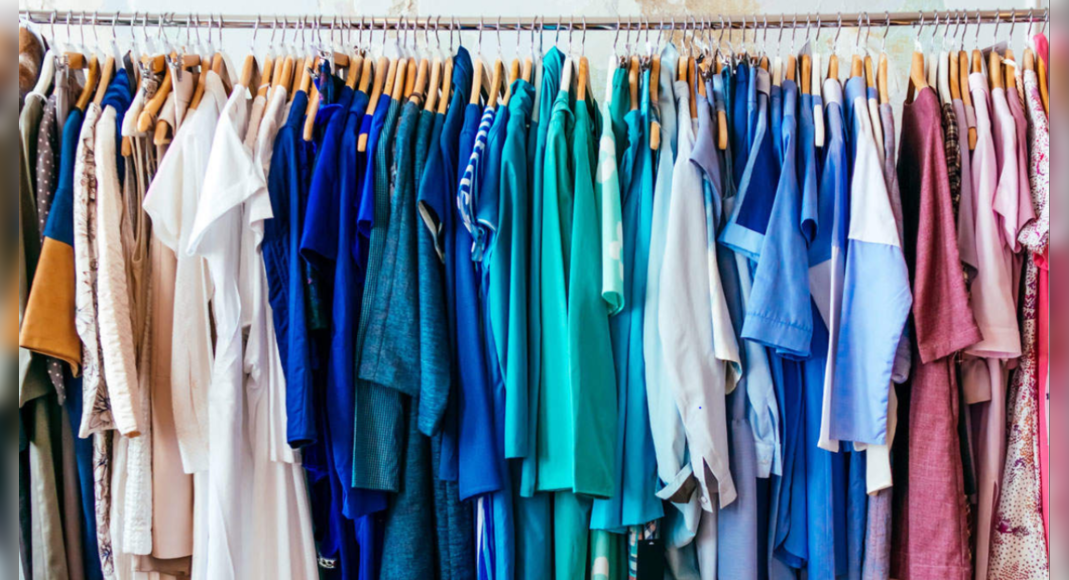
Lucknow: To increase exports to RS 3 Lakh Crore in the next five years, the state government has identified clothing as an important sector that has massive growth potential.
In a study conducted by PricewaterhouseCoopers on investing orders, it was found that differences in tariff regulations among various countries, India in general and rise in particular, lost countries such as Bangladesh, Turkey, and Cambodia.
Many steps have been proposed to increase the presence in the export of clothing.
This includes efforts to renegotiate trade transactions with the United States, Britain, the European Union, Canada and Australia.
“When several foreign companies shifted the base from China during Covid pandemics in 2020, the Chairman of the Yogi Adityanath Minister saw the opportunity for growth and proposed an increase in exports up,” he said.
“We appointed PWC to study the pattern of export up in 15 sectors, covering 100 products.
A report that provides advice on the road is now ready to help export to Leapfrog from RS 1.21 Lakh Crore currently to RS 3 Lakh Crore in 2025- 26, “he said.
In the clothing sector, where Gautam Budh Nagar and Kanpur are Hubs, PWC has said that there are at least 10% differences in tariff levels between India and countries such as Bangladesh, Turkey, Cambodia etc.
which makes it unfavorable for India to compete with India countries -The country.
Because of the unfavorable tariff structure, rising to Turkey, Britain and Italy, who impose tariffs in the export of home coats and synthetic fiber clothing similar to countries such as Germany and England.
Likewise, the export of cotton sweatshirt to countries such as the United States, Germany, England, France, and Spain lost exports from Honduras, Nicaragua, El Salvador, Bangladesh, Turkey, Portugal etc., which have zero rates.
PWC has proposed infrastructure intervention in Gautam Budh Nagar and Kanpur.
These steps include arrangement of clothing parks in Gautam Buddh Nagar, Public Facilities Center, Laboratory by Test Agent, Laboratory Design and Training Center for Making Clothing, Raw Material Depot and Hub Sourcing.
“Up already has a handloom, powerloom, silk, textile and game policy 2017 ‘which is used to provide incentives to producers but need to be published more.
We also see technology transfers to increase automation in making raw materials and clothing.
There is also a need to encourage producers To diversify, “Singh said.
To encourage the clothing sector to meet the export target