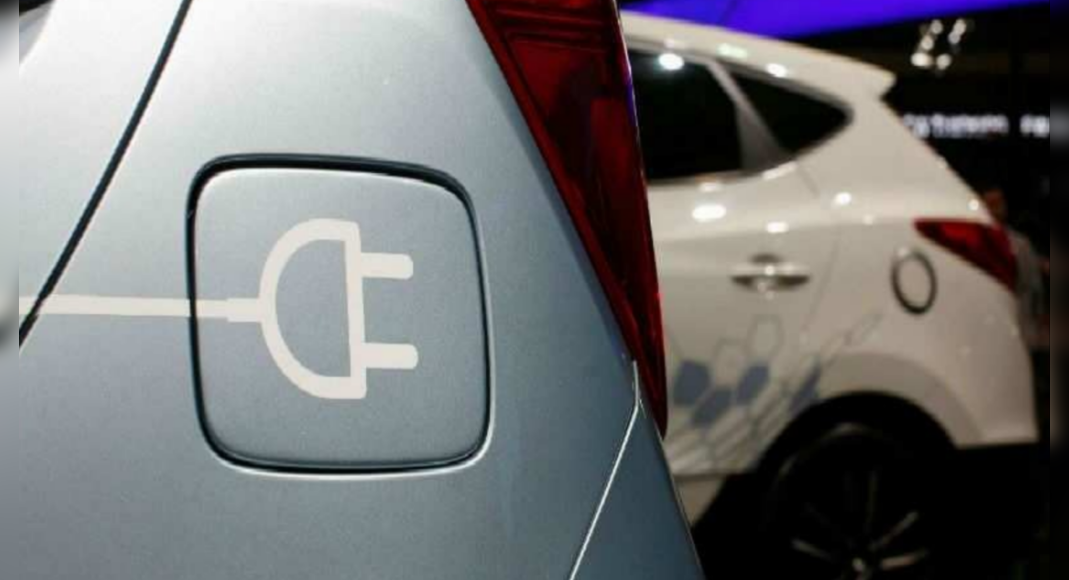
Chandigarh: UT government has removed the upper limit proposed RS15 Lakh about the purchase of electric vehicles (EV) for a variety of subsidies in his first e-vehicle policy.
Previously, UT had proposed that state financial incentives will be given to the purchase of all types of electric vehicles except those above RS 15 Lakh.
This condition is no longer there.
Ti Viewthi is a good step to encourage buyers to enter electric vehicles.
It is also synchronized with the central government policy to switch to electric motor powered vehicles.
Although there is an EV sales incenation, more needs to be done.
The most important thing is the provision of accessible chargers that are affordable in public space and incentives to install this at home.
Dharam PAL adviser recently formed a fan committee to submit his report on financial incentives to be given to buyers to promote vehicles.
They will be beside those offered by the center, according to a senior UT official.
The committee consists of deputy commissioner, Commissioner of the City and CEO of Crest.
A senior official said he was being discussed that the price of electric vehicles began from around Rs 15 Lakh and by not providing subsidies to this segment, the basic objectives of the policy would be defeated.
Thus, decisions are taken to remove the upper limit.
However, the deliberation is underway to complete the policy, he added.
Crest, in the design of the policy, has proposed to ignore registration fees for electronic vehicles that have been excluded from road taxes up to 2023.
This proposal suggests an incentive RS 5,000 for the first electric car buyer, RS 5,000 for the first 2,000 buyer.
-Wheelers, Rs 30,000 for registered owners of electric tricycles, including e-rickshaws.
Incentives of RS 5,000 on a hiding purchase will experience a maximum RS 75,000 per vehicle, which means the incentives proposed by UT along with those under fame should not be more than the amount.
PJK: Subsidies for e-Vehicles costs more than RS 15L