Panaji: The first 76 years Maria Vaz (name changed) walked out of his home in Curorim, his family did not think about it.
When a neighbor took him home on a scooter, Vaz was indifferent to thank him, walked into the living room, and continued the conversation as if nothing had happened.
For weeks, nothing has changed, until a Friday morning, he woke up, saw her husband with whom he had spent four decades, and issued a series of violations.
“For him, I am a stranger.
He asked me how I got into his bed.
I’m confused,” said her husband, Jerome.
The commotion woke up the entire household, including two sons and Houshelp couples.
Since that day and so on, nothing makes sense.
“My mother was with us, but the woman who took me away,” said her son Sebastian, a computer engineer.
This scene is repeated every day throughout India.
After being diagnosed, family members realize that Alzheimer’s is a progressive degenerative condition that cannot be reversed.
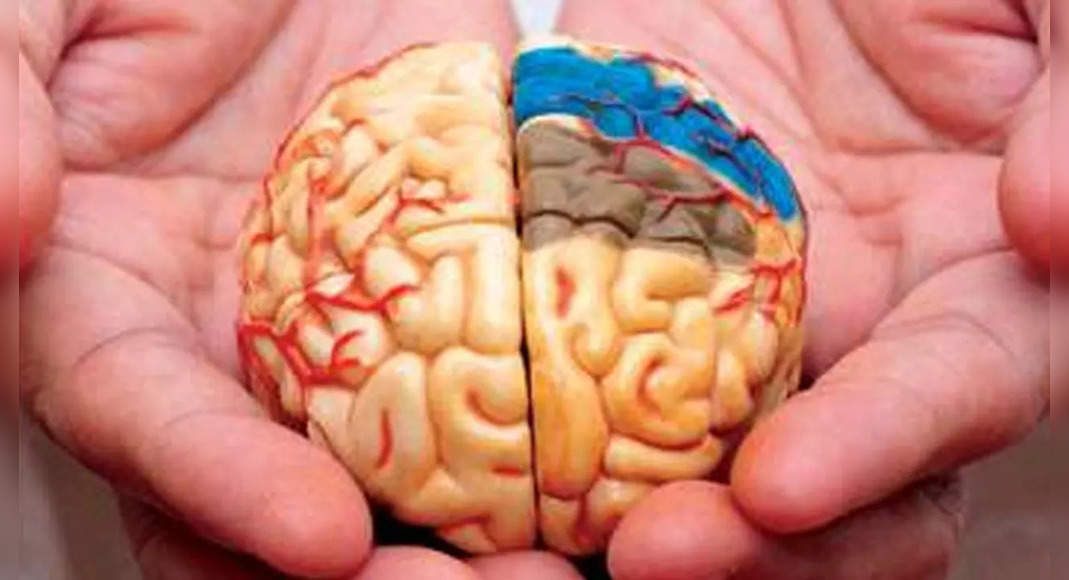
Doctors and scientists say that this disease causes brain cells to atrophy, which in turn causes everything from memory loss and understanding of disorientation and uncertain behavior.
In India, with increasing life expectancy and aging population, it is estimated that more than 5.3 million people live with dementia, which Alzheimer’s is the most common cause.
This figure will rise to 7.6 million in 2030, according to Dementia in India Report 2020, published by Alzheimer’s and Indian Community Disorders (Ardsi).
While the causes of Alzheimer’s unknown, the biggest risk factor is age, and the majority of people with Alzheimer are 65 years and above.
In India, Goa has a second highest proportion of senior citizens, with 11.2% to more than 60, a lot with a little without support.
When the person moves through Alzheimer’s stages, he will need more care because symptoms get worse.
Medicines used to treat Alzheimer’s disease can only control symptoms; If it is detected early, the right treatment can delay severe symptoms.
People who live with dementia are forced to rely on their families for their care due to lack of support and trained resources.
“It’s very difficult to get caregivers or nurses who understand the feel of dementia,” Shristi Gaitonde said.
“The only way to get a good nurse who can take care of someone with Alzheimer’s is to approach nurses from Kerala.
In the first few years, I used to feel burned mentally because of the stubborn nature.
My mother-in-law will refuse to eat, suddenly Arriving will come out of the house, give everything without asking …
“The lack of support systems in India is the main challenge for families and caregivers, who often find themselves burning out, questioning the reality, and wondering who are foreigners who live under the roof they.
Another challenge, say a doctor, is a failure to detect timely conditions.
Thousands of cases are not detected, and parents suffer in the hands of family and society because their conditions are misunderstood and associated with “crazy”.
Stigma attached to the problem of behavior that accompanied many Alzheimer’s families to hide the person or prevent guests from coming.
According to many caregivers, building a local and strong support system is the key to overcoming challenges.
Supporting systems must include groups of caregivers, family, friends and religious groups.
“Mentally drove because you have to be vigilant and finally confirmed at any time.
They can do strange things while the guests come, so become another stress factor.
Some people don’t want other people to know that there are Alzheimer’s patients at home,” said Gaitonde.
Daily activities such as brushing teeth, dressing, eating, and communicating can be a challenge and cause of friction, which often leaves people who are loved by people who are confused.
“Every day is a surprise.
You never know what will trigger memory or temperam,” explained Radhika, who took care of his mother with dementia.
“It starts with an argument about leaving a knock, and develops into war words.
This is tiring, both physically and emotionally.”
Live with Alzheimers: When everyday tasks become a battle for family desperate